Neuropathy, a prevalent health condition impacting millions globally, is characterized by nerve damage, leading to pain, tingling, and numbness. Amidst various treatment alternatives, a new therapy has emerged: PRP for neuropathy. Continue reading to find out what this new treatment is all about!
Understanding PRP Therapy
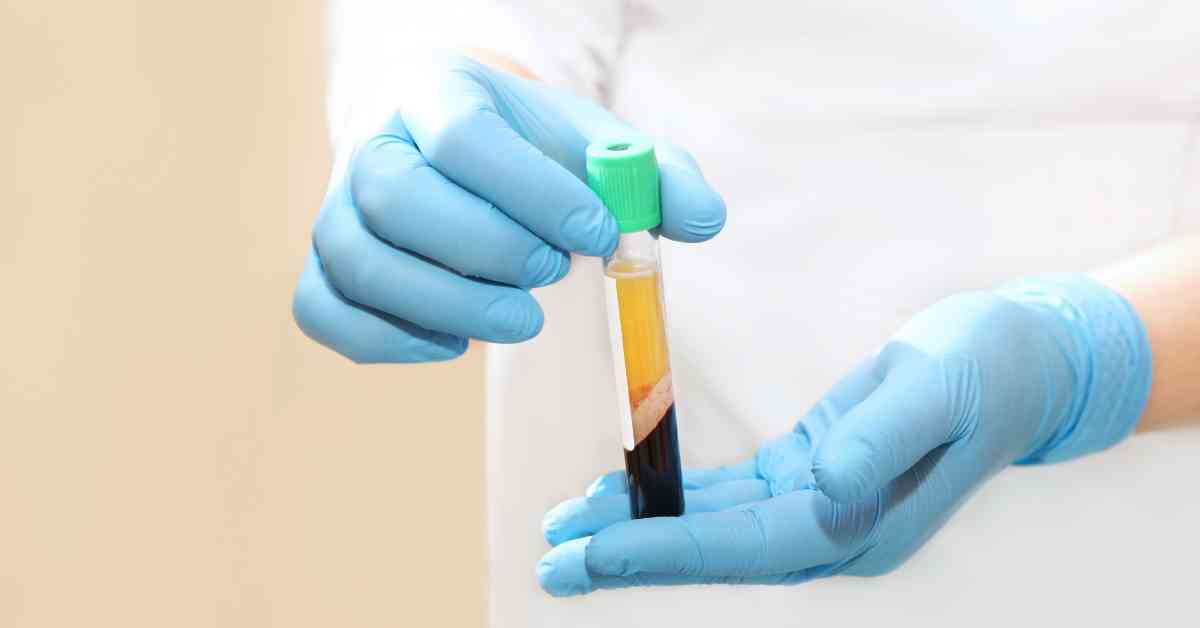
Platelet-rich plasma (PRP) therapy utilizes a patient’s blood to promote healing. The procedure entails drawing a small blood sample from the patient, processing it to isolate platelets containing growth factors that stimulate tissue regeneration and repair.
PRP for Neuropathy: The Process
By harnessing a patient’s blood, PRP therapy fosters the healing of damaged tissues. After extracting a small blood sample and concentrating platelets containing growth factors, the platelets are injected into the affected region. Consequently, they release growth factors, stimulating healing.
Benefits of PRP for Neuropathy
PRP therapy has demonstrated efficacy in treating neuropathy by decreasing inflammation and encouraging new nerve tissue growth. By enhancing circulation and tissue regeneration, PRP therapy alleviates pain and improves functionality in neuropathy patients. Furthermore, PRP therapy can:
- Minimize pain and inflammation in affected areas
- Stimulate new blood vessel growth, boosting circulation
- Encourage new nerve tissue formation
- Improve nerve function
- Strengthen overall healing and recovery
PRP Therapy Safety Profile
Generally deemed safe, PRP therapy utilizes a patient’s blood, mitigating infection or allergic reaction risks. However, potential risks to consider include:
- Bleeding or bruising at the injection site
- Infection, albeit a low risk
- Nerve damage associated with PRP injections
- Pain or discomfort at the injection site
- Rare possibility of blood clot development
Prior to undergoing PRP therapy, consult your healthcare provider to discuss these risks.
PRP Therapy Costs
PRP therapy costs depend on factors such as treatment location, condition severity, and required treatments. A single PRP injection typically ranges from $500 to $2,000, with insurance potentially covering costs in some instances. In many cases, PRP will be a series of 3 treatments.
PRP Therapy’s Timeline to Efficacy
While PRP therapy results vary among patients, most observe improvements within weeks post-treatment. However, realizing the therapy’s full effects may take several months. In some instances, multiple treatments are required to attain desired outcomes.
PRP Therapy’s Advantages for Neuropathy
PRP therapy offers several benefits for neuropathy treatment, including:
- Non-invasive nature: PRP therapy is a minimally invasive procedure, eliminating the need for surgery or extensive recovery time.
- Safety: Utilizing the patient’s blood reduces complications or adverse reaction risks.
- Customized treatment: PRP therapy can be tailored to address each patient’s unique needs and the severity of their neuropathy.
- Enhanced healing: PRP therapy accelerates the body’s natural healing processes, potentially providing long-lasting relief from neuropathy symptoms.
- Improved quality of life: By reducing pain and improving nerve function, PRP therapy helps patients regain mobility, independence, and overall well-being.
Selecting a PRP Therapy Provider
When considering PRP therapy for neuropathy, it is crucial to choose a qualified, experienced provider. Factors to consider include:
- Credentials and experience: Ensure the provider has relevant qualifications and a successful track record in administering PRP therapy for neuropathy.
- Facility quality: The provider’s facility should be clean, well-equipped, and adhere to safety and hygiene standards.
- Communication and rapport: Choose a provider who communicates effectively, listens to your concerns, and makes you feel comfortable throughout the treatment process.
- Cost transparency: Ensure the provider offers a clear, upfront explanation of all costs associated with PRP therapy.
- Patient testimonials and reviews: Seek feedback from previous patients to gain insight into the provider’s expertise, bedside manner, and treatment outcomes.
Other interesting facts about PRP for neuropathy
- Animal studies: While much of the research on PRP therapy for neuropathy has been conducted in human clinical trials, several animal studies have also shown promising results. After PRP treatment, these studies have demonstrated improved nerve regeneration, decreased inflammation, and better functional outcomes in animals with induced peripheral nerve injuries.
- Potential synergistic treatments: Combining PRP therapy with other treatments, such as stem cell therapy or nerve growth factors, might further enhance its effectiveness in promoting nerve regeneration and reducing neuropathy symptoms.
- Customization of PRP: Researchers are exploring ways to optimize PRP’s therapeutic effects by customizing the formulation, concentration, and application methods for individual patients. This customization may help to maximize the effectiveness of PRP therapy for neuropathy.
- Mechanisms of action: While the general mechanism of PRP therapy for neuropathy involves the release of growth factors that stimulate tissue regeneration, other potential mechanisms are at play. For example, PRP may modulate the local immune response, reduce oxidative stress, and promote cell survival and differentiation, all of which can contribute to improved nerve function and reduced neuropathy symptoms.
Conclusion
PRP therapy has emerged as a promising and increasingly popular treatment option for neuropathy. By harnessing the body’s natural healing abilities, PRP therapy offers a safe, minimally invasive, and effective solution for reducing pain, improving nerve function, and enhancing patients’ overall quality of life. However, it is crucial to consult a healthcare professional and select a qualified PRP therapy provider to ensure optimal treatment outcomes and minimize potential risks.
Discover more stories on the blog.
References:
- Anitua, E., Pascual, C., Pérez-Gonzalez, R., Orive, G., & Carro, E. (2013). Intranasal delivery of plasma and platelet growth factors using PRGF-Endoret system enhances neurogenesis in a mouse model of Alzheimer’s disease. PloS one, 8(9), e73118. https://doi.org/10.1371/journal.pone.0073118 Link: https://journals.plos.org/plosone/article?id=10.1371/journal.pone.0073118
- Bocci, V., & Pessina, G. P. (2016). Platelet-rich plasma (PRP) therapy: The effectiveness and the debate. British Journal of Hospital Medicine, 77(10), 608-612. https://doi.org/10.12968/hmed.2016.77.10.608 Link: https://www.magonlinelibrary.com/doi/abs/10.12968/hmed.2016.77.10.608
- Colleoni, F., Tosi, G. M., Lodi-Rizzini, F., & Benedetti, L. (2020). Platelet-Rich Plasma for the Treatment of Diabetic Neuropathy: A Meta-Analysis of Randomized Controlled Trials. Diabetes Therapy, 11(11), 2583-2602. https://doi.org/10.1007/s13300-020-00918-9 Link: https://link.springer.com/article/10.1007%2Fs13300-020-00918-9
- Kim, J., Lee, H., & Kang, K. S. (2015). Therapeutic effects of mesenchymal stem cells and hyaluronic acid injection on osteochondral defects in rabbits’ knees. Knee Surgery & Related Research, 27(3), 187-194. https://doi.org/10.5792/ksrr.2015.27.3.187 Link: https://synapse.koreamed.org/articles/1041982
- National Institute of Neurological Disorders and Stroke. (2020). Peripheral Neuropathy Fact Sheet. https://www.ninds.nih.gov/Disorders/Patient-Caregiver-Education/Fact-Sheets/Peripheral-Neuropathy-Fact-Sheet Link: https://www.ninds.nih.gov/Disorders/Patient-Caregiver-Education/Fact-Sheets/Peripheral-Neuropathy-Fact-Sheet
- Zhao, T., Yan, W., Xu, K., & Qi, Y. (2017). Platelet-rich plasma in the management of chronic low back pain: a critical review. Journal of Pain Research, 10, 949-959. https://doi.org/10.2147/JPR.S132769 Link: https://www.ncbi.nlm.nih.gov/pmc/articles/PMC5380627/